
2026/12/05
Begin Of Exhibit
2026/12/07
End Of Exhibit
10000 Meter
Exhibition Space
320 Company
Number of participants
TEXTILE ASIA – International Textile Machinery, Textile Manufacturing & Garment Industry Exhibition
Date: 5 to 7 Dec 2026 Venue: Karachi expo centre Opening Hours: 10:00 to 18:00
The exhibition features spinning machinery, warp and weft weaving machines, knitting equipment, yarn production systems, fabric dyeing and finishing machinery, digital textile printing equipment, embroidery machines, industrial sewing machines, and fabric cutting and garment manufacturing equipment. Other key sectors include yarns and fibers, industrial and apparel fabrics, textile dyes and chemicals, quality control equipment, machinery components, automation systems, design software, and garment production equipment.
Visiting TEXTILE ASIA offers textile mill owners, garment manufacturers, spinning and weaving companies, raw material suppliers, production managers, machinery importers, and investors an opportunity to explore industrial technologies and gain insights into Pakistan’s textile market. Visitors can negotiate machinery production capacity, energy consumption, fabric quality, production speed, equipment precision, technical standards, raw material prices, and supply conditions directly with exhibitors.
Main Exhibition Sectors at TEXTILE ASIA
Spinning & Yarn Manufacturing Machinery
Cotton opening machines, carding machines, fiber combing machines, draw frames, roving frames, ring spinning machines, rotor spinning machines, yarn twisting machines, yarn manufacturing equipment, spinning spindles, spinning machinery components
Weaving Machinery & Equipment
Shuttleless looms, rapier looms, air-jet looms, water-jet looms, warping machines, sizing machines, warp preparation equipment, loom components, yarn monitoring equipment, fabric weaving systems
Knitting Machinery & Knitted Fabric Production
Circular knitting machines, flat knitting machines, jersey fabric production equipment, stretch fabric knitting machinery, knitted fabric manufacturing machines, hosiery machines, industrial knitting equipment, knitting needles and machine components, fabric density control systems
Fiber Preparation & Processing Equipment
Fiber opening machines, fiber blending equipment, cotton cleaning systems, impurity removal machines, synthetic fiber preparation equipment, fiber conveying systems, sliver production machines, fiber recycling equipment, textile waste collection systems
Fabric Dyeing & Washing Machinery
Fabric dyeing machines, yarn dyeing machines, industrial fabric washing equipment, bleaching equipment, jet dyeing machines, package yarn dyeing machines, dyeing temperature control systems, dye bath preparation equipment, fabric dewatering machines
Textile Printing & Digital Printing Machinery
Digital textile printers, screen printing machines, rotary printing machines, sublimation printing equipment, direct-to-garment printing systems, print fixation equipment, transfer printing machines, textile printing inks, fabric preparation equipment for printing
Textile Finishing & Treatment Machinery
Stenter machines, calendering machines, fabric steaming equipment, heat-setting machines, fabric softening machines, textile drying equipment, brushing machines, fabric compacting machines, coating equipment, water-repellent finishing machinery
Fabric Cutting, Sewing & Garment Manufacturing Machinery
Industrial sewing machines, overlock machines, coverstitch machines, automatic fabric cutting machines, fabric spreading machines, pocket sewing equipment, button attaching machines, zipper sewing machines, interlining fusing equipment, garment ironing and pressing equipment, garment assembly machinery
Embroidery & Fabric Decoration Machinery
Computerized embroidery machines, multi-head embroidery machines, industrial embroidery equipment, sequin embroidery machines, decorative stitching machines, embroidery threads, embroidery needles, design preparation equipment, embroidery design software, embroidery machinery components
Yarns, Fibers & Textile Raw Materials
Cotton, polyester fibers, viscose fibers, synthetic fibers, cotton yarns, polyester yarns, blended yarns, industrial yarns, recycled fibers, greige fabrics, textile manufacturing raw materials, embroidery threads, sewing threads
Textile Dyes & Chemicals
Reactive dyes, disperse dyes, acid dyes, textile pigments, bleaching agents, dyeing auxiliaries, fabric finishing resins, industrial softeners, anti-crease agents, water-repellent chemicals, dye-fixing agents, textile printing and finishing chemicals
Textile Machinery Parts, Accessories & Auxiliary Equipment
Spinning machinery components, weaving shuttles, loom needles, sewing machine parts, sewing machine motors, pneumatic equipment, air compressors, industrial steam boilers, material conveying equipment, suction and ventilation systems, industrial belts, textile machinery spare parts
Textile Automation, Software & Quality Control
Production automation systems, textile design software, garment pattern design software, CAD/CAM equipment, yarn strength testing machines, fabric quality measurement equipment, colorfastness testing devices, fabric inspection machines, measuring and folding equipment, production management software, industrial control systems
Packaging, Warehousing & Industrial Services
Textile packaging machinery, fabric roll wrapping machines, labeling equipment, fabric folding machines, garment pressing and packaging equipment, warehouse management systems, fabric roll handling equipment, laboratory services, certification services, machinery maintenance and repair equipment
Why Visit TEXTILE ASIA?
Identifying textile machinery manufacturers is one of the main objectives of attending the exhibition. Managers of spinning mills, weaving factories, and garment manufacturing facilities can meet industrial equipment manufacturers to discuss technical specifications, prices, production capacity, delivery schedules, and after-sales support.
Exploring spinning and weaving technologies is particularly important for companies planning to expand production capacity or modernize existing production lines. Comparing production speed, yarn and fabric quality, waste levels, energy consumption, and machinery compatibility with industrial control systems can help businesses select suitable equipment.
Discovering fabric dyeing, printing, and finishing equipment allows textile manufacturers to evaluate different textile processing technologies. Business discussions can cover dyeing quality, water consumption, equipment capacity, printing accuracy, and consumable costs.
Evaluating industrial sewing and embroidery machinery is valuable for garment manufacturers. Visitors can compare automatic sewing machines, cutting equipment, embroidery machinery, and garment finishing systems based on operating speed, performance quality, software capabilities, and maintenance expenses.
Identifying suppliers of yarns, fibers, and textile chemicals helps manufacturers diversify their sourcing options. Fiber quality, yarn specifications, dyeing chemical compositions, bulk ordering conditions, and consistent supply capabilities are important considerations in commercial negotiations.
Exploring automation and quality control systems is particularly useful for textile factories seeking to improve production management. Fabric inspection equipment, design software, process control systems, and laboratory testing instruments can be evaluated based on precision, functionality, and compatibility with existing production lines.
Understanding Pakistan’s textile and garment market provides commercial opportunities for exporters of machinery, raw materials, and textile products. Connecting with manufacturers and industrial buyers helps businesses better understand market requirements, competitive conditions, technical standards, and potential partnerships.
Developing international partnerships and dealership opportunities is another important reason to attend. Trading companies and manufacturers can negotiate equipment imports and exports, spare parts supply, manufacturing partnerships, technology transfer, and sales dealership agreements with potential business partners.
Who Should Visit TEXTILE ASIA?
The exhibition’s main professional visitor groups include:
-
Spinning mill and yarn manufacturing plant owners
-
Weaving mill and fabric manufacturing managers
-
Garment and industrial clothing manufacturers
-
Textile machinery manufacturers
-
Circular knitting and knitted fabric manufacturers
-
Fabric dyeing and printing plant managers
-
Yarn, fiber, and textile raw material suppliers
-
Textile dye and chemical manufacturers
-
Sewing and embroidery equipment manufacturers
-
Machinery parts and accessories suppliers
-
Textile engineers and quality control specialists
-
Textile equipment importers and exporters
-
Purchasing managers and machinery distributors
-
Textile industry investors and development professionals
TEXTILE ASIA Exhibition Visit Services by Exhibition Makers
A professional visit to TEXTILE ASIA in Karachi can be planned around different business objectives, including purchasing spinning and weaving machinery, sourcing yarns and raw materials, exploring fabric dyeing and printing equipment, discovering garment manufacturing technologies, and negotiating with companies operating in the textile industry.
With over 15 years of experience in domestic and international exhibitions, Exhibition Makers provides essential services for planning business trips and professional visits to trade exhibitions in Pakistan.
Exhibition tour services include:
-
Pakistan visa requirements assessment and visa application assistance
-
Round-trip flight ticket reservations
-
Hotel reservations tailored to the travel itinerary
-
Airport and exhibition transfers
-
Exhibition registration and visitor badge arrangements
-
Professional exhibition hall visit planning
-
Identification of textile machinery manufacturers and suppliers
-
B2B business meeting arrangements
-
Interpreter services for technical negotiations
-
Evaluation of industrial cooperation and dealership opportunities
-
Travel insurance
Exhibition Makers can tailor travel itineraries and professional exhibition visits to each participant’s industry and business objectives. For textile mill owners and machinery importing companies, identifying relevant suppliers and scheduling business meetings before traveling is particularly important.
The Importance of Exhibition Stand Design & Construction at TEXTILE ASIA
At a specialized textile exhibition, stand design should provide suitable spaces to showcase manufacturing technologies, display product samples, and present machinery specifications. Spinning, weaving, dyeing, and garment manufacturing equipment often vary considerably in size, weight, and technical requirements. Their placement should therefore take into account the available stand area, visitor circulation routes, and exhibition venue regulations.
Spinning and weaving machinery manufacturers can use live equipment demonstrations, production line presentation screens, and technical specification panels. When machinery operation is permitted, maintaining safe distances, providing adequate electrical power, and controlling noise and vibration are essential.
For fabric and textile manufacturers, exhibition stands can incorporate fabric sample display walls, hanging display systems, and product inspection tables. Arranging samples by material composition, application, color, and technical characteristics helps wholesale buyers compare products more easily.
Fabric dyeing and printing companies can use printed samples, digital displays, and equipment demonstrating production processes. Showcasing print quality, color accuracy, material types, and technological applications can help communicate product capabilities more effectively.
For sewing and embroidery machinery manufacturers, allocating a dedicated area for equipment demonstrations is particularly useful. Visitors can directly evaluate stitching quality, embroidery speed, pattern accuracy, and machine capabilities.
Yarn, fiber, and raw material suppliers can display samples on organized stands, exhibition shelves, and technical information panels. Appropriate lighting is especially important for accurately presenting the natural colors of yarns and fabrics.
Exhibition stand design and construction in Karachi should reflect the brand’s visual identity, machinery or product categories, business meeting requirements, and the technical regulations of the Karachi exhibition venue. An organized layout, suitable display equipment, adequate access routes, and dedicated meeting areas help exhibitors present their products professionally.

International Textile Exhibition Iran Tehran
Shahr-e Aftab International Exhibition center
2026/08/18 To 2026/08/21
View details
SPINEXPO Shanghai – International Yarn & Fibre Exhibition in China
Shanghai World Expo Exhibition and Convention Center
2027/03/02 To 2027/03/04
View details

Handmade carpets exhibition in Iran Tehran
Tehran int'l permanent fairground
2027/02/03 To 2027/02/06
View details

Textile Machinery, Raw Materials, Home Textiles, Embroidery Machines Exhibition in Iran Tehran (IRANTEX)
Tehran int'l permanent fairground
2026/10/18 To 2026/10/21
View details
CFE – ICFE Istanbul – International Carpet & Flooring Exhibition
Istanbul Expo Center (IFM)
2027/01/06 To 2027/01/09
View details

Techtextil India – International Technical Textiles & Nonwovens Exhibition
Mumbai exhibition center
2027/12/08 To 2027/12/10
View details

Technical Textiles and Nonwovens Exhibition Turkey Istanbul (HIGHTEX)
Tuyap fair and congress center
2026/06/09 To 2026/06/13
View details
Customer comments
Booking booth at TEXTILE ASIA – International Textile Machinery, Textile Manufacturing & Garment Industry Exhibition
Booth reservation

Exhibition tours for TEXTILE ASIA – International Textile Machinery, Textile Manufacturing & Garment Industry Exhibition
Tour request

Booth design in exhibitions TEXTILE ASIA – International Textile Machinery, Textile Manufacturing & Garment Industry Exhibition
Booth building
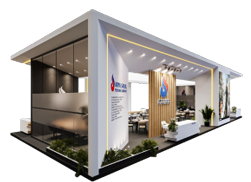
Exhibition venue
-
Karachi expo centre
Address : University Road, Karachi, Pakistan
Booth reservation
Order of booth construction
Tour request

Online chat
